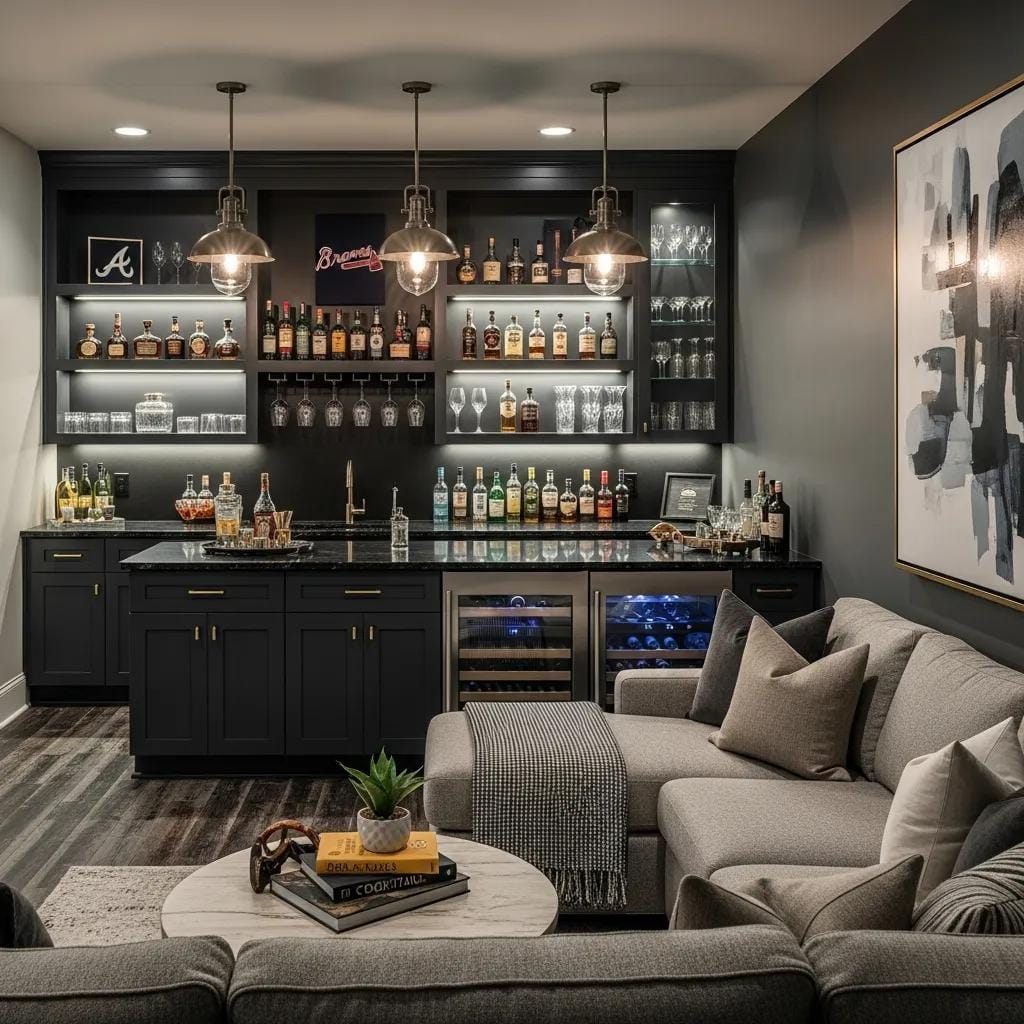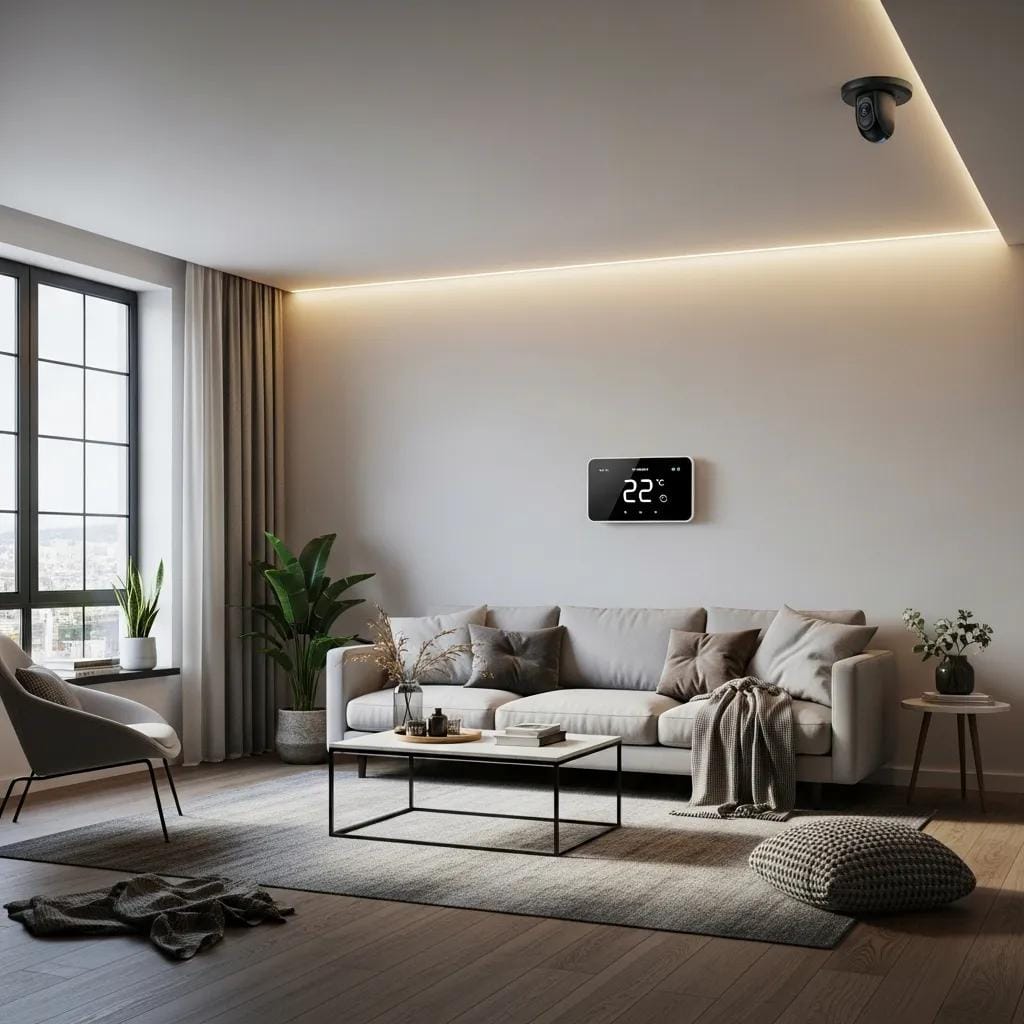
Incorporating smart home integration into your Atlanta remodeling project is no longer a futuristic luxury—it’s a strategic upgrade that enhances daily convenience, energy efficiency, and long-term property value. From centralized lighting and climate control to advanced security systems and voice-activated appliances, integrating these technologies during a remodel ensures a seamless, built-in look and optimal functionality.
This guide explores the key smart home systems ideal for Atlanta homes, helping you plan a tech-savvy renovation that improves both your lifestyle and your home’s market appeal.
Smart Home Integration That Turns Houses Into Smart Homes
What is Smart Home Integration in Atlanta Remodeling?
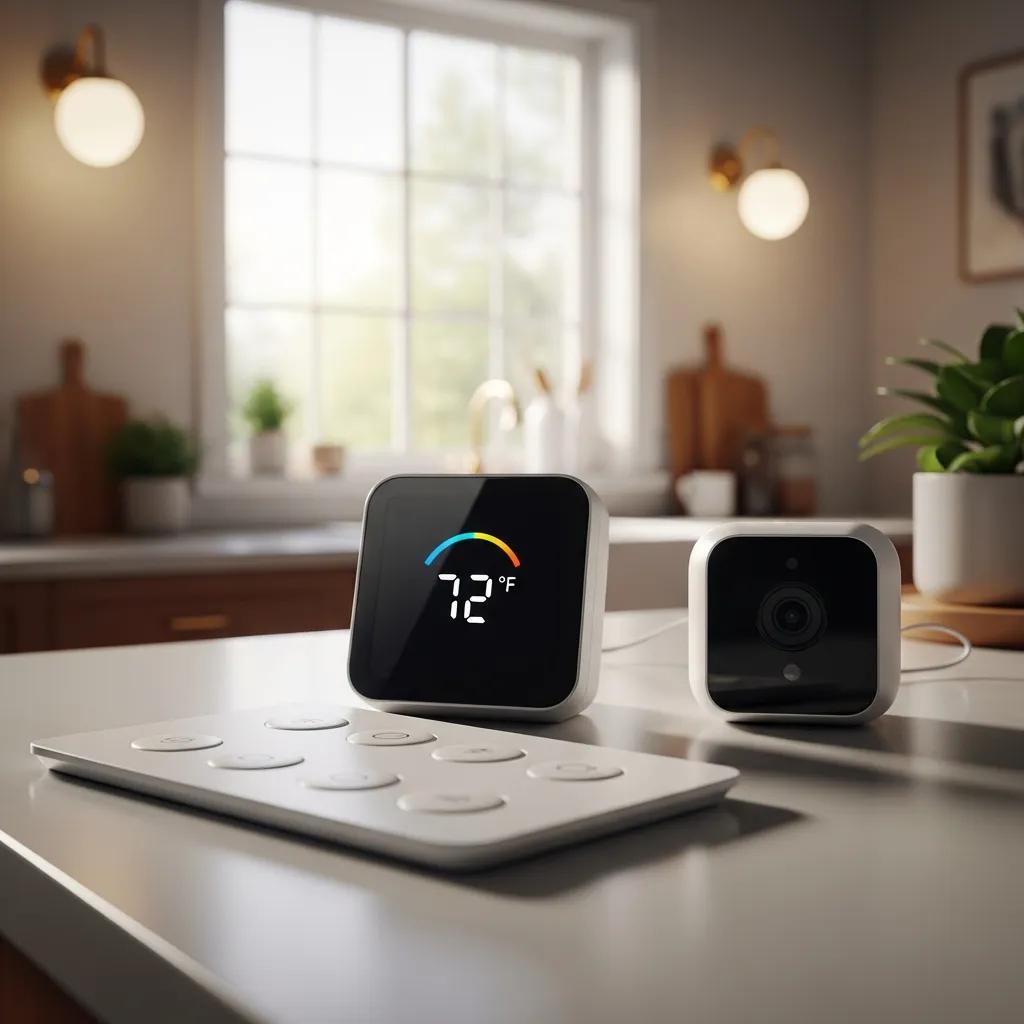
Smart home integration means connecting key systems in your home so they work together through one setup, instead of acting like separate gadgets. During a remodel, this is easier to do because walls are often open, wiring and placement decisions are already being made, and you can plan device locations around how you actually live. When it is done well, smart home features feel less like “tech upgrades” and more like practical improvements that make the space easier to use day to day.
In the context of Atlanta remodeling, smart home integration usually focuses on comfort, security, and efficiency. Rather than adding random devices after the fact, integration ties together lighting, climate control, locks, cameras, and even audio in a way that makes sense for your layout and routine. That kind of planning matters because the goal is not to create a complicated home, it is to create a home that runs smoothly and reduces small frustrations.
How Does Smart Home Technology Unify Home Systems During Remodeling?
Smart home technology unifies systems by using a central “brain,” which can be a hub, an app, or a voice assistant platform that coordinates multiple devices. The practical benefit is that you can control several parts of the home from one place, and you can set up routines that happen automatically. Instead of adjusting lights, temperature, and security settings one by one, you can trigger a single command that handles them together.
During a remodel, you can also build the integration into the design, not just the devices. For example, lighting zones can be mapped to how the room will actually be used, and switches can be placed where they make sense for daily traffic patterns. The same idea applies to climate control. If your remodel changes room layouts or adds square footage, smart controls can help balance comfort across the home, rather than relying on one setting that never quite fits every space.
If your goal is better daily function, focus on setups that reduce steps. That is where smart home integration tends to shine, especially when it is planned alongside the remodel instead of being patched in later.
Which Smart Devices Are Essential For Integrated Home Upgrades?
The most useful smart home upgrades are the ones that solve common problems: uneven comfort, wasted energy, inconvenient lighting, and basic security gaps. Smart thermostats are a popular starting point because they help manage heating and cooling more efficiently and can be adjusted remotely when schedules change. This is one of the more practical ways to support smart home integration without overcomplicating the home.
Smart lighting is another strong choice, especially when remodeling includes new fixtures, recessed lights, or under-cabinet lighting. When lighting is integrated, you can create simple scenes like “morning,” “movie time,” or “away,” which can control multiple lights at once. It also adds a layer of security because lights can be scheduled to turn on while you are out, making the home look occupied.
Smart security tools tend to work best when they are treated as a system, not a single device. Smart locks, video doorbells, and outdoor cameras can be tied into the same platform, so alerts are consistent and easy to manage. The most effective setups are the ones that fit the property, with cameras placed for actual sight lines and lighting that supports visibility instead of creating glare.
If you want smart home integration to feel seamless, choose fewer devices that work well together rather than stacking multiple brands and apps. A simpler system is usually the one people keep using long after the remodel is finished.
What Are The Benefits Of Smart Home Renovation For Atlanta Homeowners?
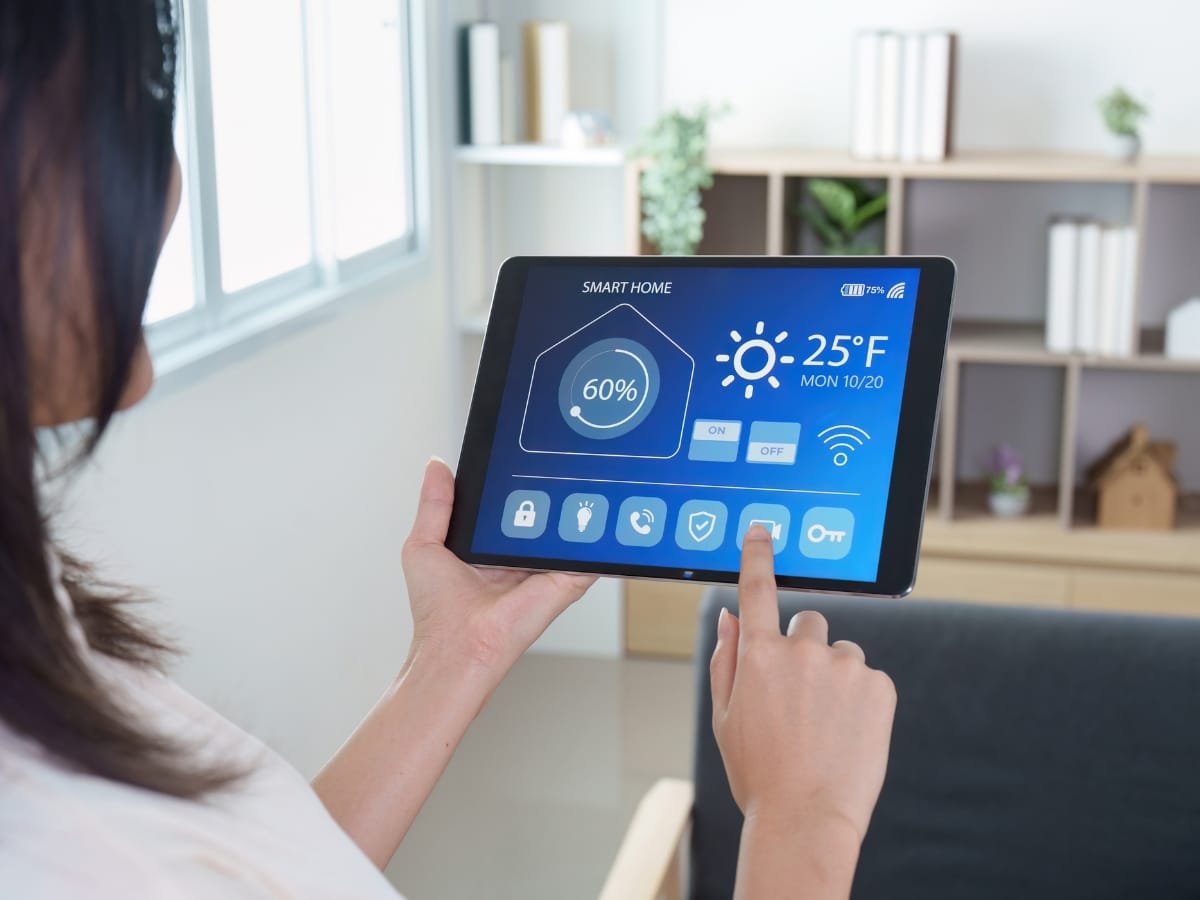
A smart home renovation can be a practical upgrade for Atlanta homeowners because it improves how the house functions day to day, not just how it looks. When smart features are planned during a remodel, they can be built into the layout, wiring, and lighting plan in a way that feels natural. The result is often a home that is easier to manage, more comfortable, and more efficient without adding extra hassle.
Another advantage is that you are making decisions once, instead of revisiting them later. During a renovation, you can place switches where they are most useful, create lighting zones that match how you use each room, and choose devices that work on one platform. That kind of planning is what separates a true smart home setup from a collection of gadgets that do not really work together.
How Does Smart Home Integration Improve Convenience And Lifestyle?
Smart home integration improves convenience by reducing the number of steps it takes to handle everyday tasks. Instead of adjusting lights in multiple rooms, changing the thermostat, and checking locks separately, you can manage those systems from one place. For many homeowners, this becomes most noticeable during busy moments, like getting out the door in the morning or settling in at night.
Convenience also comes from automation that matches real routines. You might set lighting to shift slightly in the evening, have exterior lights turn on at consistent times, or create an “away” mode that adjusts temperature and locks doors with one action. These are small changes, but they add up because they reduce mental load. When the system is set up well, you do not have to constantly think about whether you left something on, whether a door is locked, or whether the house is running efficiently.
For families, smart home features can also help with consistency. If different people have different habits, a shared system can keep the home on a predictable schedule. This is one reason smart home renovation is often appealing during remodeling, since you can build the controls around how the household actually operates.
In What Ways Does Smart Technology Increase Energy Efficiency And Sustainability?
Smart technology supports energy efficiency by helping homeowners avoid waste that happens when systems run without need. Smart thermostats can reduce heating and cooling when the house is empty or when the temperature does not need to be maintained at the same level all day. In Atlanta, where cooling demand can be high for much of the year, that kind of adjustment can make a noticeable difference without sacrificing comfort.
Lighting is another place where smart controls can reduce unnecessary usage. When lights are set to turn off automatically, or when you can confirm they are off from your phone, it becomes less likely that rooms stay lit for hours when nobody is there. The same idea applies to schedules and scenes that limit overuse, especially in high-traffic areas like kitchens, hallways, and outdoor spaces.
Sustainability is not only about using less power. It is also about using the home’s systems more intentionally. Smart home renovation encourages that by giving you clearer control over when energy is used and why. When your house runs based on real behavior instead of constant defaults, it is easier to stay comfortable while still keeping usage in check.
How Does Bitwood Build Plan and Coordinate Smart Home Integration?

Smart home integration works best when it is treated like part of the remodel, not an add-on at the end. Bitwood Build approaches smart home upgrades as a planning and coordination job first, then a technology job. That means the smart home decisions are made alongside layout changes, lighting plans, electrical work, and finish selections, so the final setup feels clean and intentional. Instead of trying to force devices into a space after construction is done, the goal is to build a smart home system that fits how the homeowner actually lives.
A client-focused approach also matters because “smart home” can mean very different things depending on the household. Some homeowners want better energy control and comfort, while others prioritize lighting scenes, security, or whole-home audio. By starting with how the home is used, smart home features can be selected and placed in ways that make sense, like choosing where keypads go, how lighting zones are grouped, or which rooms need stronger connectivity.
What Certifications And Expertise Support Bitwood Build’s Smart Home Services?
Bitwood Build’s NARI Certification and PMP certification help support smart home integration by emphasizing professional standards and strong project management. In a remodel, smart home features often depend on timing and coordination across trades. That is especially true when you are dealing with lighting, switches, low-voltage wiring, internet placement, and device compatibility. Certifications matter here because they point to a higher level of planning and accountability, which reduces the chance of rework or mismatched systems.
In practice, this type of expertise supports better decision-making during the remodel. Instead of choosing devices in isolation, the project can be approached as a complete system where electrical, design, and daily use all line up. That is a big part of what makes a smart home feel seamless rather than patched together.
What Is The Step-By-Step Process For Seamless Smart Home Remodeling?
A smooth smart home remodel typically follows a clear sequence, and Bitwood Build’s process can be described in a way that keeps the focus on planning, integration, and reliability. The consultation stage is where the homeowner’s priorities are clarified, including what they want automated, how hands-on they want to be, and which features matter most. This is also the right time to talk about practical considerations, like how many people will use the system and whether simple controls or deeper automation makes more sense.
Next comes design, where smart home choices are mapped into the remodel plan. This includes decisions like where controls should live, how lighting should be grouped, what type of thermostat setup is needed, and how to avoid common issues like dead zones for wifi or awkward switch placement. Good design makes the finished system feel natural, which is the real goal of smart home remodeling.
Installation is where coordination becomes important. Smart home devices often rely on correct wiring, correct placement, and correct sequencing with the rest of the remodel. Once installation is complete, testing helps confirm that everything works as intended, including routines, app control, and any integrated systems like lighting, HVAC, and security. Finally, support matters because a smart home is something you live with every day. Having guidance on how to use the system, update it, and troubleshoot basic issues helps homeowners actually enjoy the smart home features instead of feeling like they are managing a constant project.
When smart home integration is planned and executed this way, the technology fades into the background and the home simply runs better. That is where smart home upgrades deliver the most value, especially during a remodel.
Which Smart Home Technologies Are Popular In Atlanta Remodeling Projects?
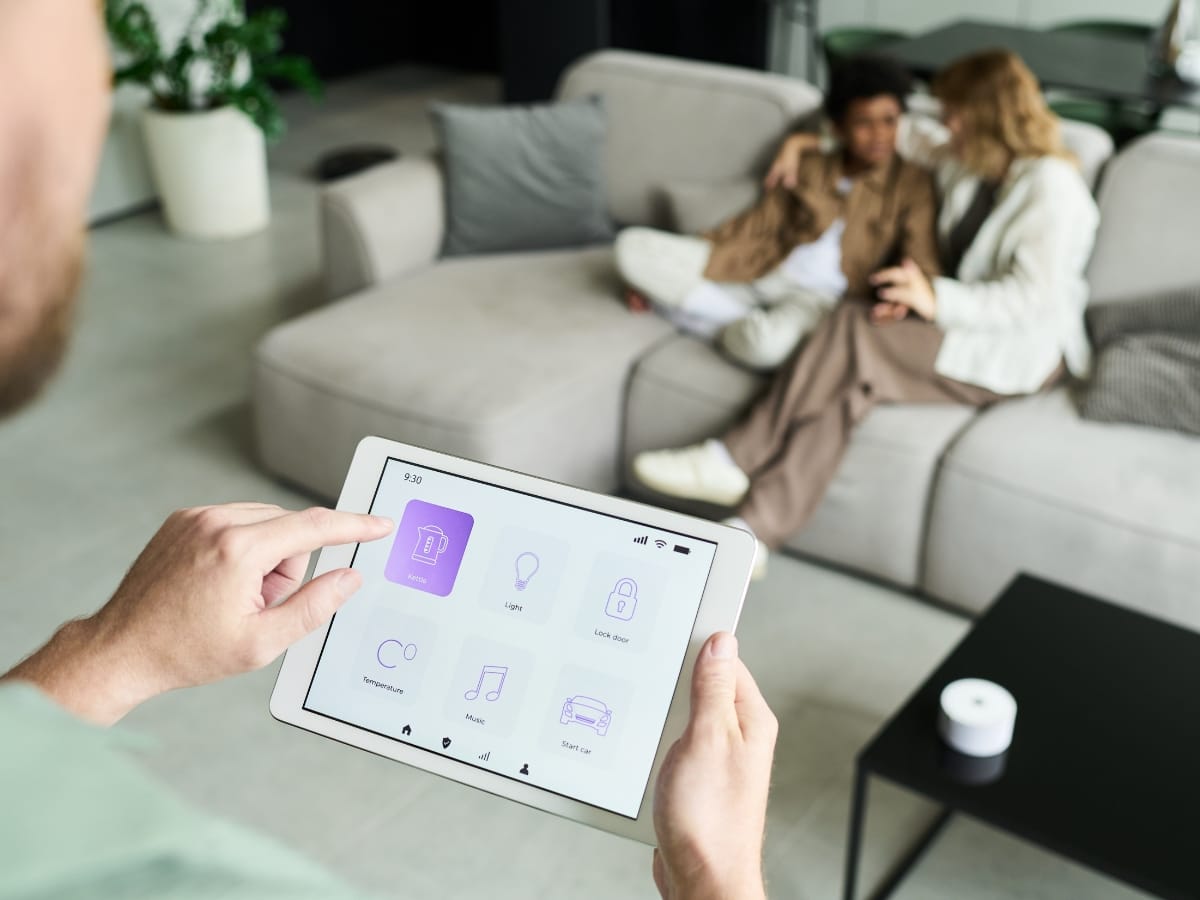
In Atlanta, more homeowners are building smart home features into remodels instead of treating them like add-ons later. The appeal is pretty practical. People want lighting that adjusts to routines, thermostats that help manage energy use through changing seasons, and security options they can check from anywhere. The most popular upgrades usually fall into a few buckets: lighting control, climate control, security, audio, and whole-home automation. When those systems are planned alongside the remodel, the home feels more cohesive and the technology tends to work more reliably.
A smart home can be simple, like a thermostat and doorbell camera, or it can be fully integrated so devices work together under one control system. During remodeling, it is often easier to expand beyond single devices because walls are already open and electrical or networking updates can be built into the plan.
How Do Control4, Lutron, Nest, And Other Systems Compare For Home Integration?
Smart home systems differ mainly in how much they can control and how well they scale. Control4 is typically chosen when homeowners want a broader, centralized setup. It can tie together lighting, audio, climate, and security in one interface, and it is designed to grow over time as new rooms or devices are added. That makes it appealing in larger remodels where the goal is a more unified experience across the home.
Lutron is widely known for lighting and shading control. Homeowners often like it because lighting is one of the easiest ways to feel an immediate quality-of-life upgrade. It can support scenes, schedules, and dimming that feels consistent from room to room, which is especially helpful after a remodel changes layouts or adds open-concept spaces. In many cases, it also supports energy-conscious habits without forcing you to think about them every day.
Nest is commonly used for smart thermostats and certain security features. It is popular with homeowners who want recognizable devices that are relatively easy to use and can deliver noticeable comfort and efficiency benefits. For many remodels, Nest works well as a focused upgrade, especially if the homeowner is not aiming for a full home-automation hub.
Other platforms can also be part of a smart home strategy, especially when you want compatibility across brands or plan to expand gradually. The best fit usually depends on how integrated you want the home to be and whether you prefer a single ecosystem or a mix of devices that still work together smoothly.
Why Is Pre-Wiring And Infrastructure Planning Critical For Smart Home Upgrades?
Pre-wiring and infrastructure planning are often the difference between a smart home that feels seamless and one that feels pieced together. During a remodel, it is the ideal time to think through where devices will live, what they need to connect, and how they will communicate. Planning early helps avoid weak Wi-Fi zones, messy workarounds, and the kind of retrofitting that becomes expensive once walls are finished.
A smart home relies on stable power, strong connectivity, and enough capacity for future additions. That might mean running network cabling to key locations, planning for access points, or ensuring there is space for hubs and equipment that will not be crammed into an inconvenient corner. When infrastructure is handled upfront, integrated systems tend to respond faster, stay more reliable, and remain easier to expand later.
In Atlanta remodeling projects, homeowners who treat smart home planning as part of the build, not the finishing touches, usually end up with better results. Smart home upgrades work best when the foundation is designed to support them, and that foundation is much easier to create while the remodel is already in motion.
What Smart Home Integration Services Does Bitwood Build Offer for Atlanta Remodels?
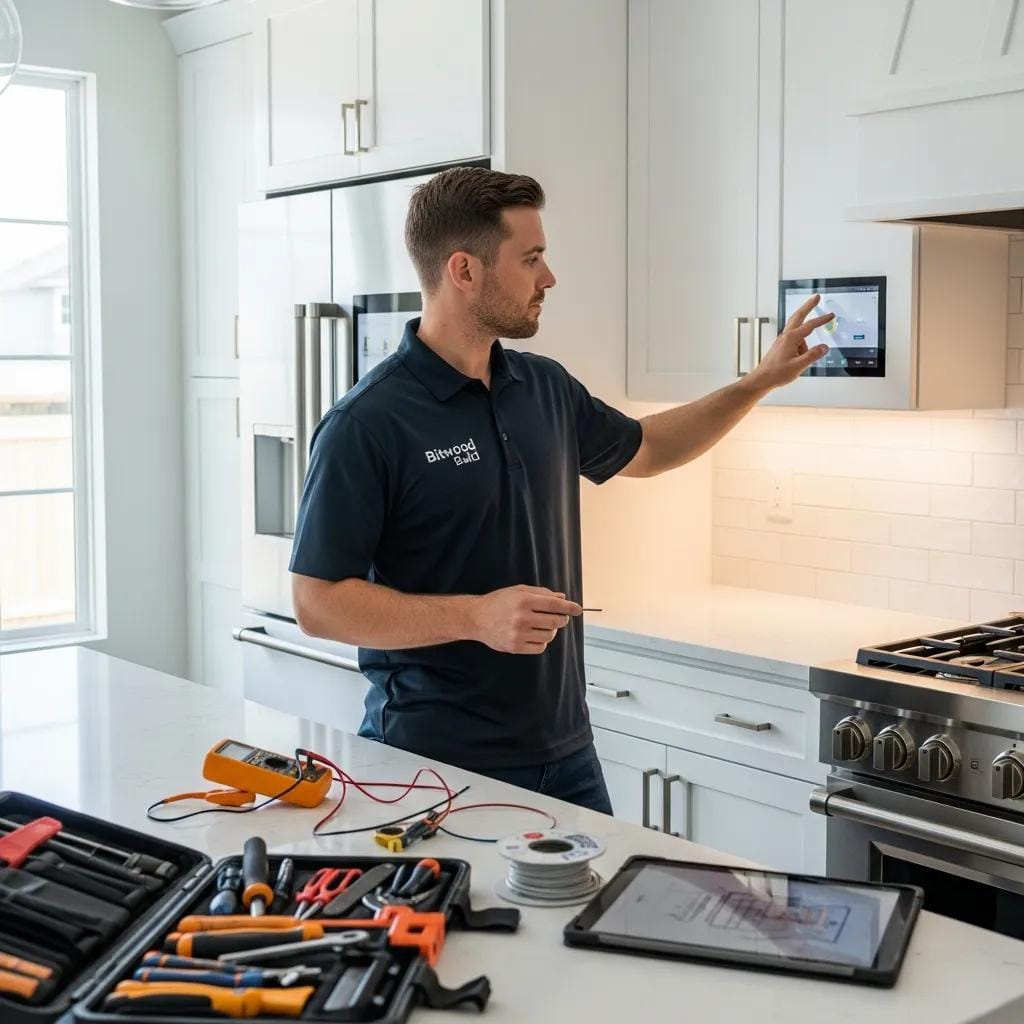
A smart home remodel is not just about adding a few new gadgets. The goal is to make everyday living easier by connecting key systems so they work together reliably. For many Atlanta homeowners, that means planning smart features alongside layout changes, new finishes, and updated electrical and plumbing. When smart home upgrades are part of the remodel from the start, the results usually feel more intentional, with fewer compatibility issues and less patchwork later.
Bitwood Build’s smart home integration services are presented as a way to support that kind of connected remodel, especially in high-use spaces like kitchens and bathrooms, and in broader systems that affect comfort, safety, and energy use. The real value comes from choosing upgrades that match how you live, then making sure the underlying wiring, network setup, and device placement are planned to support long-term use.
How Can Smart Kitchen And Bathroom Remodeling Enhance Your Home?
Kitchens and bathrooms are often the best places to start with smart home upgrades because they combine daily routines with heavy utility use. In the kitchen, smart appliances and lighting controls can simplify cooking and cleanup, while helping you manage energy use without constant effort. For example, certain appliances can be scheduled to run during lower-demand times, and smart lighting can be set to adjust brightness based on the time of day or whether someone is in the room.
In bathrooms, smart features can improve comfort and reduce wasted water and power. Smart faucets and shower controls can help with temperature consistency and efficient water use, while automated lighting makes early mornings and late nights easier without needing harsh overhead light. Ventilation controls can also be tied to humidity levels so the fan runs when it is needed, then shuts off when the room is dry. When these updates are integrated during a remodel, the technology tends to look cleaner and feel less like an afterthought.
A smart home approach in these spaces also supports accessibility. Hands-free controls, voice commands, and predictable lighting can make routines smoother for kids, older adults, and anyone who wants fewer small tasks to manage throughout the day.
What Solutions Exist For Whole-Home Automation, Energy Management, And Security?
Whole-home automation brings multiple systems under one umbrella so the home can be monitored and adjusted from a phone, tablet, or centralized control. In practice, that can mean coordinating lighting, climate, audio, and security so they respond together instead of operating as separate tools. Many homeowners like the convenience of setting routines, such as adjusting lights and temperature at bedtime, or turning off selected systems when the home is empty.
Energy management is another common reason people invest in smart home upgrades during a remodel. With connected thermostats, lighting controls, and monitoring tools, you can track usage patterns and make adjustments that reduce waste. The benefit is not only lower bills, but also better comfort since rooms can be kept at more consistent temperatures and lighting levels.
Security is often the category that convinces homeowners to move from standalone devices to a more integrated smart home setup. A connected security system can include cameras, smart locks, motion sensors, and real-time alerts, all accessible remotely. When designed as part of a remodel, these components can be placed more strategically and supported by stronger connectivity, which helps the system stay dependable.
For Atlanta remodels, smart home planning works best when the technology is built around how the household actually functions. With the right infrastructure and integration, the smart home experience feels simple, not complicated, and the upgrades remain useful long after the remodel is finished.
What Are Common Questions About Smart Home Renovation In Atlanta?
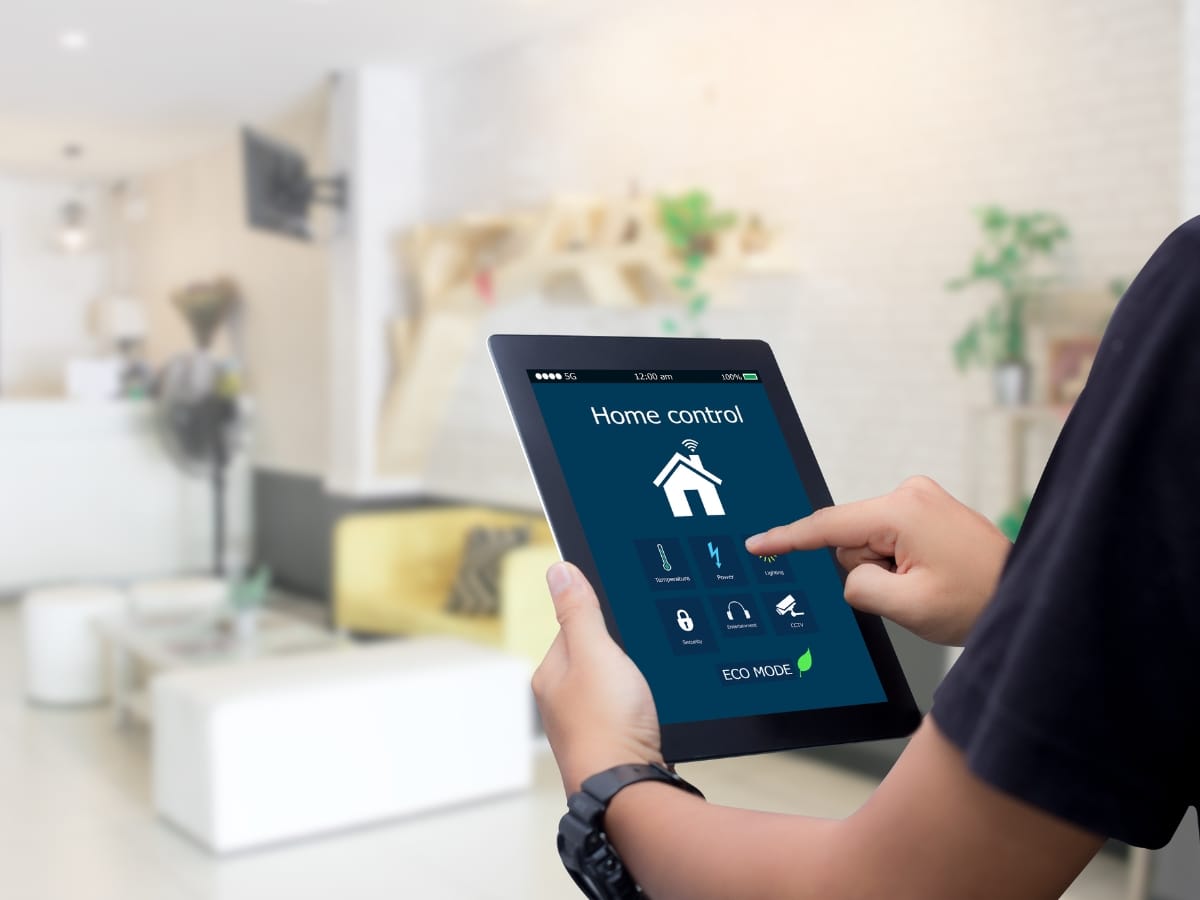
Smart home renovation sounds straightforward until you get into the details. Atlanta homeowners usually want clear answers on budget, reliability, and what to prioritize during a remodel so they do not end up with devices that feel disconnected or outdated. A smart home works best when the renovation plan accounts for wiring, networking, and device placement from the start, instead of trying to force everything in after walls are closed.
How Much Does Smart Home Installation Cost In Atlanta Remodeling Projects?
Costs depend on scope. A basic smart home setup with a few core devices is typically far less than a whole-home system that ties together lighting, climate, security, and audio under one platform. Budget can also shift based on whether the remodel already includes electrical work, new lighting plans, or networking upgrades. The more integrated the goal, the more planning and labor matter, not just the price of the devices.
Which Smart Home Upgrades Are Worth Doing During A Remodel?
If walls are open, it is usually worth prioritizing upgrades that are difficult to add later without extra mess. Built-in lighting control, in-wall wiring for speakers or cameras, and network improvements tend to be more remodel-friendly than a pile of standalone gadgets. Many homeowners start with lighting and climate because those changes are felt daily, then build outward from there as needs become clearer.
Do I Need Pre-Wiring For A Smart Home, Or Will Wi-Fi Be Enough?
Wi-Fi is fine for some devices, but it is not always enough for a smart home that is expected to be consistent and fast. Pre-wiring can support stronger connections in key locations, reduce dead zones, and help systems respond more reliably. Even if you do not plan to install every feature right away, having the infrastructure in place makes it easier to expand later without reopening walls.
What Internet Speed And Network Setup Does A Smart Home Need?
A smart home is less about raw internet speed and more about coverage and stability inside the house. Bigger homes, multi-level layouts, and certain building materials can weaken signals, which is why network planning matters in Atlanta remodels. Many homeowners benefit from a stronger router setup or multiple access points so devices stay connected across the home, especially if security cameras or smart speakers are part of the plan.
Can I Mix Brands, Or Should Everything Be One System?
You can mix brands, but compatibility becomes the key question. Some homeowners prefer one ecosystem because it is simpler to manage and troubleshoot. Others mix devices to get the best product in each category, like one brand for thermostats and another for lighting. The important part is avoiding a smart home that requires several apps and conflicting controls, since that usually makes daily use feel frustrating.
Will A Smart Home Increase Property Value In Atlanta?
Smart features can help a home feel more current and appealing to buyers, especially when the upgrades are practical and easy to use. Things like smart thermostats, lighting control, and smart locks tend to land well because they are familiar and useful. Overly complex setups can be a mixed bag if a buyer worries about maintenance or does not want to learn a complicated system, so simplicity and reliability often matter more than having the most features.
How Do I Avoid Buying Tech That Feels Outdated In A Few Years?
Future-proofing is mostly about the foundation. A smart home holds up better when it has solid wiring options, strong network coverage, and flexible controls that can adapt as devices change. Choosing widely supported standards and focusing on upgrades that can be expanded over time also helps. It is easier to swap a device later than it is to fix weak infrastructure after the remodel is finished.
What Are The Most Common Smart Home Mistakes During A Renovation?
One of the biggest mistakes is adding smart devices without a plan for how they will work together. Another is skipping network and power considerations, which can lead to lag, dropped connections, or devices that only work well in certain rooms. Homeowners also sometimes overbuild the system for how they actually live, then stop using features because they feel complicated. A smart home should make routines easier, not create more steps.
What Should I Decide Before The Renovation Starts?
It helps to decide what you want your smart home to do on a normal day. Think about which routines matter most, like morning lighting, temperature control, or security monitoring, and which rooms should feel automated versus manual. When those priorities are clear early, the renovation plan can account for wiring, device locations, and control points so everything feels intentional once the remodel is complete.m to grow. That way, the home stays flexible, whether you add more features later or a future buyer wants to personalize the setup.
Conclusion
Integrating smart home technology into your Atlanta remodel is no longer a luxury—it’s a strategic upgrade that enhances comfort, security, and energy efficiency for years to come. From automated lighting and climate control to advanced security systems, seamless integration requires careful planning and expert installation. To ensure your new or renovated home is as intelligent as it is beautiful, partner with the technology-savvy craftsmen at Bitwood Build. Ready to build a smarter future? Call (404) 445-5424 or request a free quote through our site form today to begin designing your connected home. Let’s create a space that works for you.