Blending timeless elegance with contemporary functionality, transitional kitchen design has become a sought-after style for Atlanta homeowners seeking a space that feels both classic and current. This approach harmoniously merges the clean lines and neutral palettes of modern design with the warmth and detail of traditional elements, creating a balanced, inviting, and highly versatile heart of the home.
In this guide, we’ll explore inspiring transitional kitchen design ideas tailored for Atlanta residences, from mixed materials and layered lighting to smart layouts that support both daily family life and sophisticated entertaining.
Transitional Kitchen Design for a Timeless, Elegant Space
What Defines A Transitional Kitchen Design?
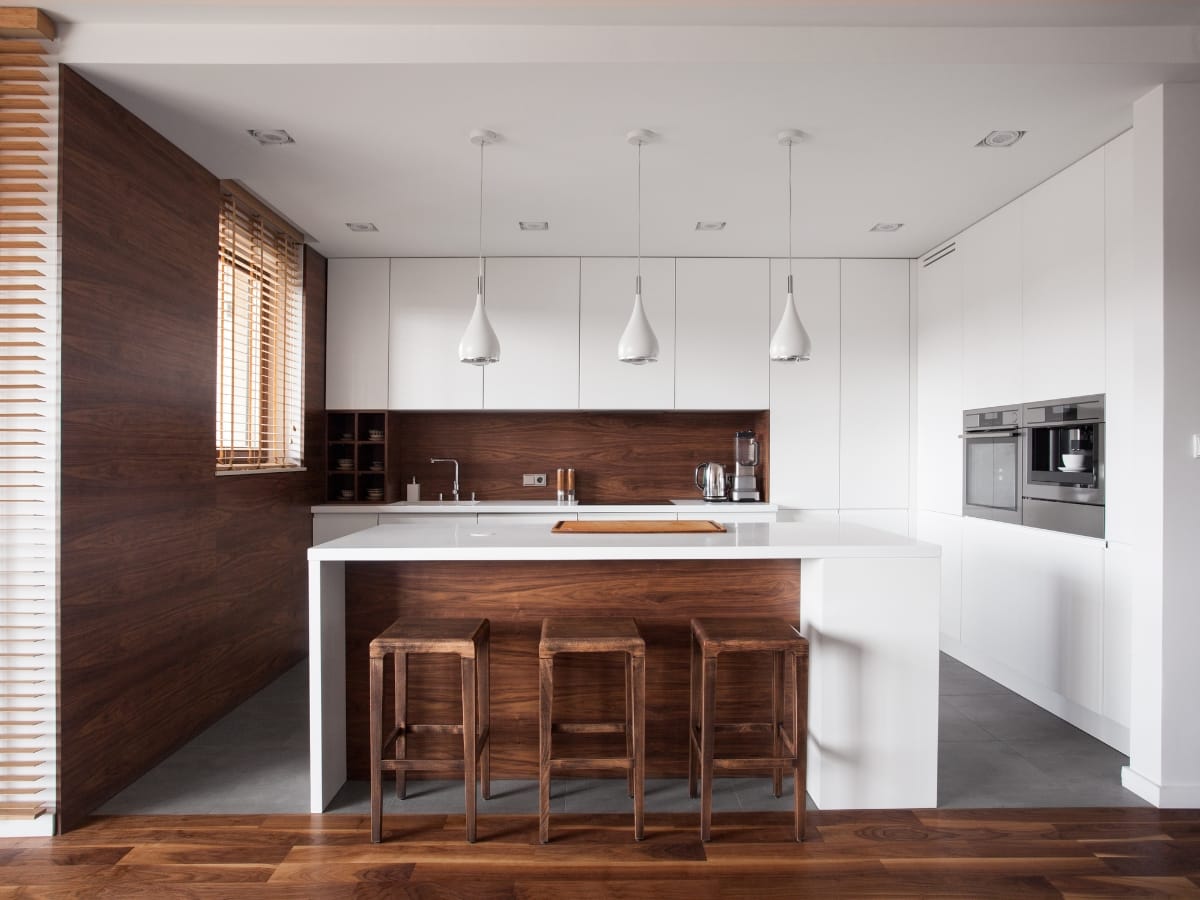
A transitional kitchen sits comfortably between traditional and modern styles. It has the warmth and familiarity people like in classic kitchens, but it avoids heavy ornamentation and leans into cleaner, more current finishes. The result is a space that feels updated without looking trendy or harsh, which is why transitional design continues to be a popular choice for homeowners who want something timeless.
In a transitional kitchen, every element is meant to work together instead of competing for attention. You will usually see a calm color palette, practical layouts, and a mix of materials that keeps the room feeling layered without looking busy. It is also a style that adapts well over time. You can change lighting, hardware, or decor later without having to redo the whole kitchen to make it feel current.
How Does Transitional Style Blend Classic And Modern Elements?
The defining move in a transitional kitchen is pairing a traditional foundation with modern restraint. Cabinets are a good example. Many transitional spaces use shaker-style or simple recessed-panel cabinets, which feel classic, but they are often finished in smooth paint or a subtle stain and paired with streamlined hardware. That combination keeps the cabinetry from reading as old-fashioned while still feeling warm and familiar.
Transitional design also plays with contrast in a controlled way. You might see a more traditional island shape paired with modern pendant lights, or a simple countertop edge paired with a slightly more detailed backsplash. The blend works because the choices are intentional and balanced. Instead of mixing dramatic styles, transitional kitchens use quieter versions of both, which helps the room feel cohesive.
Material selection matters here too. Natural wood tones, stone, and textured surfaces add warmth, while brushed metals, matte finishes, and minimal trim details keep the overall look clean. When done well, the kitchen feels comfortable and lived-in, but still crisp and updated.
What Are The Key Features Of Transitional Kitchen Design?
A transitional kitchen typically starts with clean, approachable lines. You will not see elaborate carving, ornate corbels, or high-contrast decorative trim. Instead, the shapes are simple and functional, with just enough detail to keep the space from feeling flat.
Color is usually neutral, but not sterile. Whites, soft grays, warm beiges, and muted greige tones are common, often paired with deeper accents like navy, charcoal, or black in small doses. This neutral foundation is one reason the transitional kitchen style is so flexible. It allows you to shift the mood with lighting, stools, rugs, or even a new paint color later.
Texture is another key feature. Transitional kitchens often mix smooth and natural finishes to keep the room from feeling too modern or too traditional. A honed or lightly patterned stone countertop, a tiled backsplash with subtle variation, and wood floors or wood shelving can all add depth without creating clutter.
Lighting and fixtures usually follow the same “in-between” rule. Fixtures are often simpler in shape, but not ultra-industrial or overly sleek. Think clean-lined pendants, classic silhouettes in updated finishes, and faucets with gentle curves instead of ornate detailing.
If you are looking for transitional kitchen inspiration, focus on balance. The goal is not to split the difference perfectly between old and new, but to create a space that feels current, welcoming, and easy to live with for years.
Top Cabinet Styles & Materials for Atlanta Transitional Kitchens
In Atlanta, a transitional kitchen is often built around cabinetry that feels classic but not heavy. Homeowners tend to want a kitchen that looks current, photographs well, and will still feel appropriate years from now. Cabinets set that tone more than almost any other finish because they take up so much visual space. That is why simple door styles, practical layouts, and natural-looking materials continue to dominate transitional design across Metro Atlanta homes.
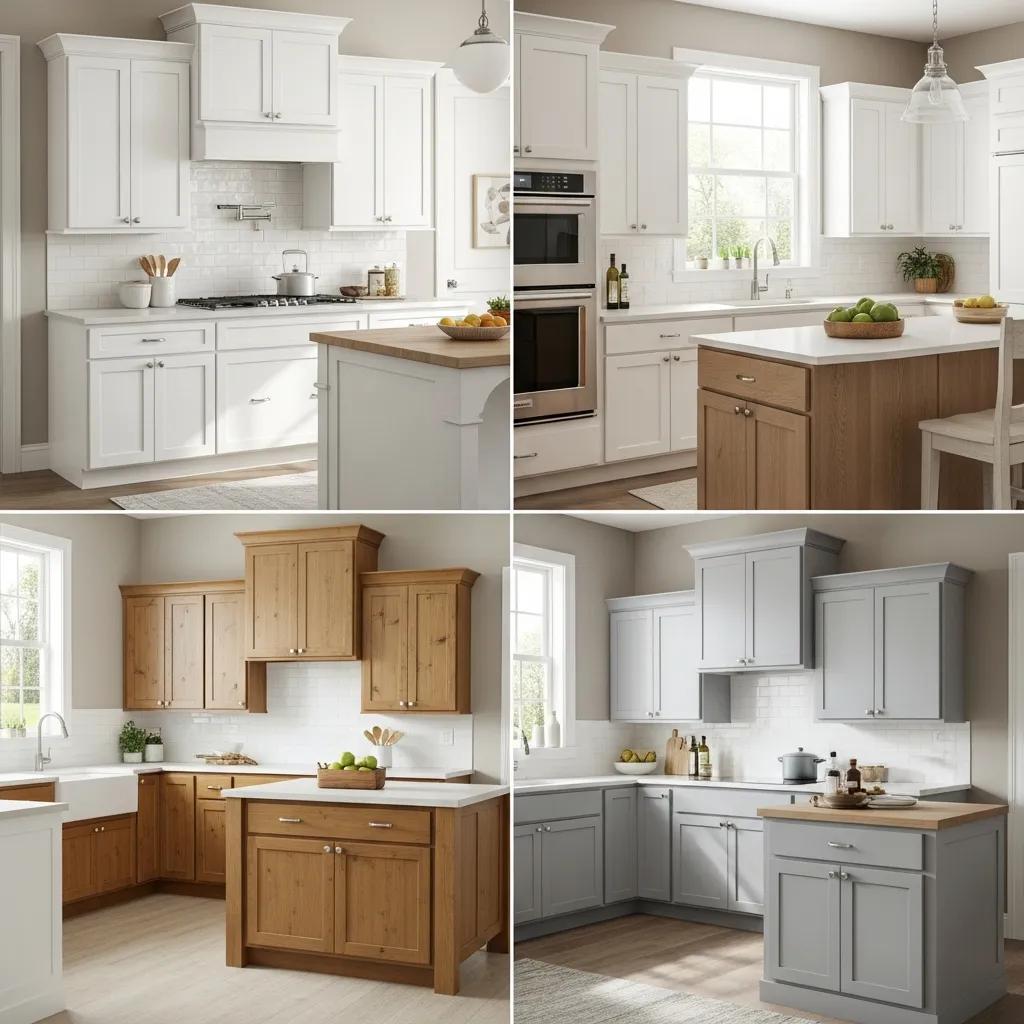
Two cabinet styles show up again and again in a transitional kitchen: shaker and flat-panel. Both work because they are clean and adaptable, and they pair easily with the stone, metal, and lighting choices that are common in transitional spaces. The materials and wood tones chosen for those cabinets then determine whether the kitchen leans warmer and more traditional or cleaner and more contemporary.
What Are The Benefits Of Shaker And Flat-Panel Cabinets?
Shaker cabinets are a staple of the transitional kitchen because they sit in the middle stylistically. The recessed center panel and simple frame nod to traditional design, but the lack of ornate trim keeps the look streamlined. That balance makes shaker doors easy to dress up or down. With classic knobs and warmer lighting, the space can feel more traditional. With bar pulls, a simpler backsplash, and crisp paint colors, it can lean modern without feeling cold.
Flat-panel cabinets, sometimes called slab doors, are also common in Atlanta transitional kitchens, especially in homes that want a cleaner edge. They bring a modern feel, but they can still work in a transitional kitchen when paired with warmer finishes such as wood flooring, soft stone veining, or a slightly more traditional light fixture. Flat-panel cabinets also tend to highlight the quality of the finish, so they are often used in matte paints, wood veneers, or smooth stains where the surface itself becomes part of the design.
From a practical standpoint, both styles are easy to maintain. Their flat surfaces and minimal detailing are less likely to collect dust and grease compared to more decorative door profiles. That is one reason they continue to be popular for families who want a kitchen that looks polished without constant upkeep.
How Do Wood Tones Influence Atlanta’s Transitional Kitchen Aesthetic?
Wood tone choices can completely change how a transitional kitchen feels. Lighter woods such as maple and birch help the space feel brighter and more open, which is especially appealing in kitchens with limited natural light or smaller footprints. These lighter tones also pair well with soft whites, warm grays, and brushed metal finishes, keeping the overall look calm and airy.
Mid-tone woods are common in Atlanta transitional kitchens because they add warmth without pushing the room into a more traditional category. Oak, especially when finished in natural or lightly stained tones, has become a go-to because it brings texture and depth while still feeling updated. These tones work well with creamy paint colors, muted backsplash tiles, and warmer hardware finishes.
Darker woods like walnut and cherry create a richer, moodier look and can make a transitional kitchen feel more grounded. They are often used on an island, lower cabinets, or as an accent wall, with lighter perimeter cabinets to keep the room from feeling too heavy. This mix of light and dark is a hallmark of transitional design because it creates contrast without relying on bold color.
If you are planning a transitional kitchen in Atlanta, cabinetry choices come down to balance. Shaker and flat-panel doors offer a dependable foundation, and wood tone selection helps you control whether the space feels bright and minimal, warm and classic, or somewhere in between.
What Countertop And Backsplash Options Enhance Transitional Kitchens In Atlanta?
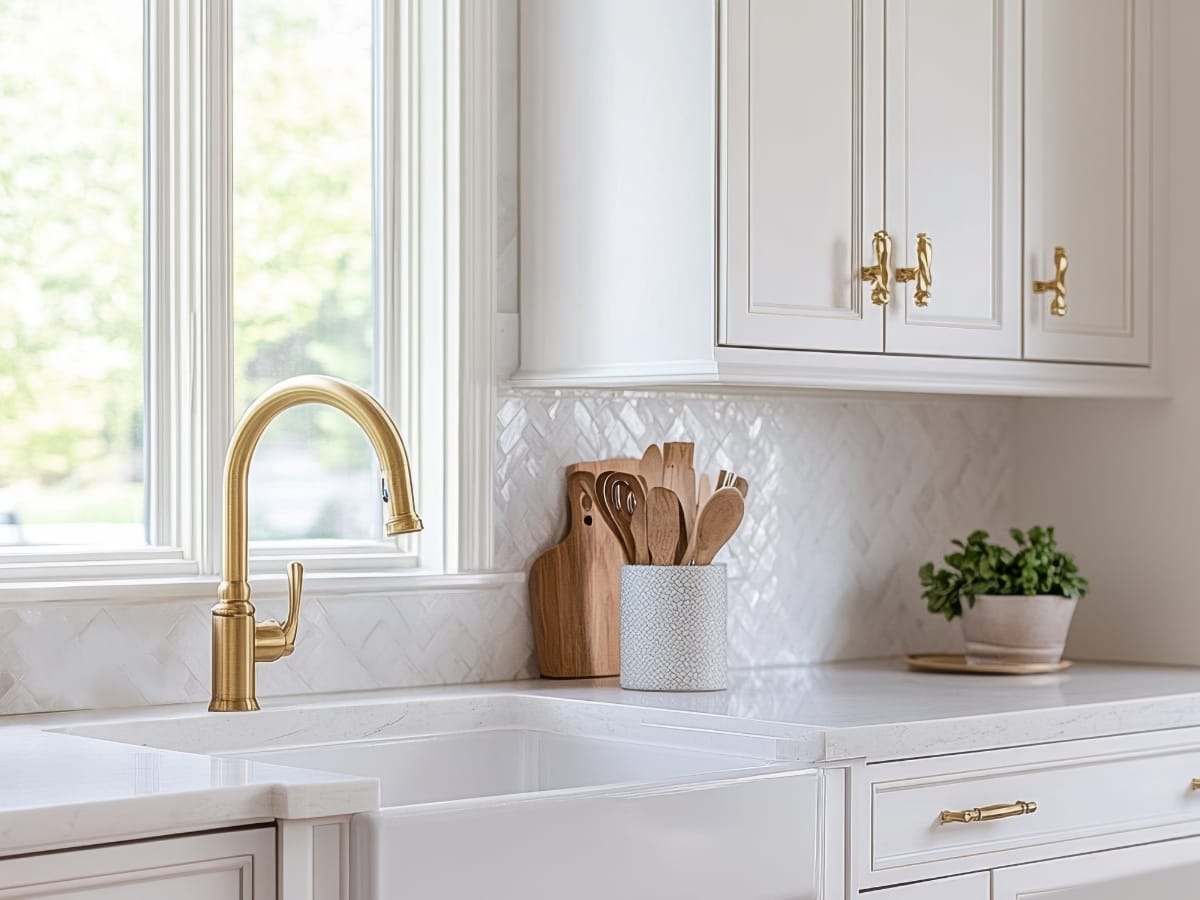
In an Atlanta transitional kitchen, countertops and backsplashes do a lot of the heavy lifting. Cabinets set the foundation, but these surfaces bring in texture, contrast, and the “finished” look that makes the kitchen feel intentional. The goal is usually the same: clean and updated, but not stark. Most homeowners want materials that hold up to daily use while still feeling elevated enough to match the rest of the home.
A transitional kitchen tends to look best when countertops and backsplashes complement each other rather than compete. That often means keeping one surface quieter and letting the other add subtle movement or texture. It is also where finish choices matter, like polished versus honed, and warm versus cool undertones.
How Do Quartz, Marble, And Granite Countertops Compare?
Quartz is a common pick for Atlanta transitional kitchens because it is durable and consistent. Since it is engineered, it offers reliable color and pattern options, which helps if you want a calm, predictable look. Many quartz styles mimic marble veining without the same upkeep concerns, making it a practical choice for households that cook often. It also pairs easily with both warm and cool palettes, so it works whether your transitional kitchen leans more traditional or more modern.
Marble is chosen more for look than convenience. It has a natural depth and veining that is hard to replicate, and it instantly gives a transitional kitchen a classic, upscale feel. The tradeoff is maintenance. Marble is more porous and can etch or stain, especially around sinks and cooking areas. Some homeowners still choose it because they like the way it patinas over time, but it is best for people who are comfortable with a little wear.
Granite sits in the middle for many homeowners. It is natural, durable, and heat resistant, and it offers one-of-a-kind patterning. In a transitional kitchen, granite tends to look best when you choose a stone with a softer, more blended pattern rather than heavy speckling. That helps the countertop feel current and keeps the space from reading dated.
What Are The Latest Backsplash Trends For Transitional Kitchens?
Backsplash trends for a transitional kitchen in Atlanta are leaning toward simple shapes with thoughtful details. Classic subway tile is still one of the most popular choices because it works with almost any countertop and cabinet style. The difference is in how it is used. Homeowners are choosing larger subway tiles, softer grout colors, or vertical stacking to make the look feel updated while still familiar.
Mosaic patterns are also showing up, but in a more restrained way. Instead of busy, high-contrast designs, transitional kitchens tend to use mosaics with subtle tonal variation or simple geometry. This adds texture and interest without turning the backsplash into the focal point of the room.
Natural stone backsplashes, like marble, limestone, or travertine, continue to fit transitional design well because they add warmth and depth. A stone backsplash can connect the kitchen to other natural materials in the home, especially wood floors or exposed beams. If you want a more seamless, modern-leaning transitional kitchen, many homeowners are also choosing a slab backsplash that matches the countertop. It keeps lines clean, reduces grout, and creates a cohesive look that still feels timeless when the stone has soft movement.
In a well-designed transitional kitchen, the best countertop and backsplash pairings feel balanced. Choose one element to bring the visual interest, then let the other support it. That approach keeps the kitchen looking polished, comfortable, and easy to live with.
How Can Kitchen Islands and Lighting Elevate Your Atlanta Transitional Kitchen?
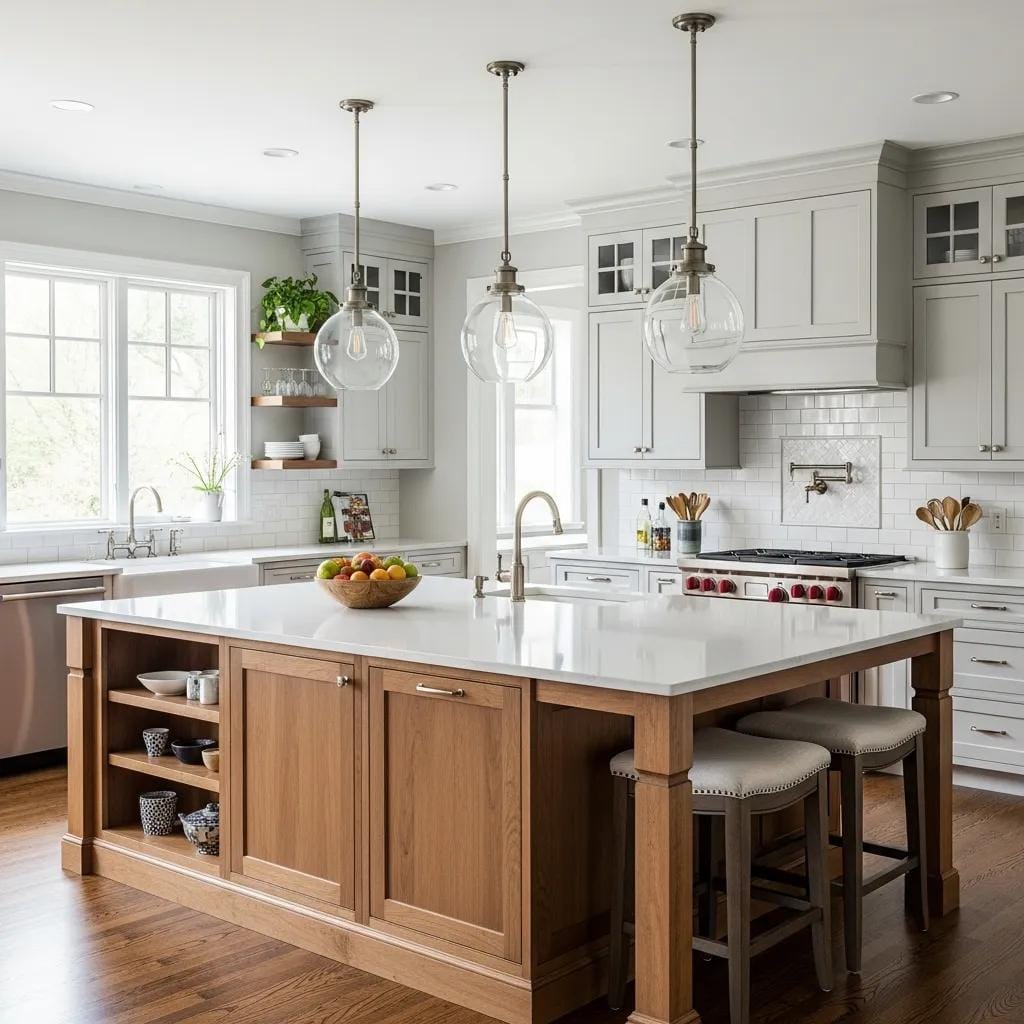
In an Atlanta transitional kitchen, the island and lighting usually decide whether the room feels finished or just functional. Transitional style is all about balance, so these elements should add structure and warmth without making the space feel too traditional or overly modern. A well-planned island gives you a strong visual anchor, while good lighting makes the materials, colors, and textures actually show up the way you intended.
Because kitchens are used all day, islands and lighting also carry a lot of practical weight. If the island is undersized, awkwardly placed, or missing storage, it becomes a daily frustration. If lighting is flat or too harsh, even a beautiful transitional kitchen can feel cold, dim, or uninviting. The good news is that small design decisions here can improve both the look and the way the kitchen works.
What Are The Features Of Multifunctional Modern Classic Kitchen Islands?
The best island designs for a transitional kitchen start with function first, then style. Many homeowners want one surface that can handle prep work, quick meals, homework, and serving during gatherings. That means the island needs enough countertop space to be useful, plus smart storage that reduces clutter in the rest of the kitchen.
A “modern classic” island often blends simple cabinet lines with a detail that adds depth, such as a contrasting paint color, a stained wood base, or a slightly thicker countertop edge. This is where transitional style shines, because it lets you mix materials without looking mismatched. For example, an island in a different finish can add contrast while still feeling cohesive if the hardware and countertop tie back to the rest of the room.
Storage is usually what makes the biggest difference. Deep drawers for pots, pullouts for trash and recycling, and space for small appliances keep the counters cleaner. Seating can work well too, but it should be planned around traffic flow. A comfortable overhang and enough clearance behind stools matters more than squeezing in “one more seat.” In many Atlanta homes, islands also do well with subtle upgrades like outlets placed where they are actually usable, or an end panel detail that gives a more built-in look.
How Does Layered And Pendant Lighting Complement Transitional Design?
Lighting is one of the easiest ways to make a transitional kitchen feel intentional, because it adds both mood and clarity. Layered lighting works best: overhead lighting for general brightness, task lighting for work zones, and accent lighting to soften the space and highlight features.
Pendant lights above the island are popular in transitional kitchens because they bring structure to the room without adding a lot of visual noise. The key is choosing pendants that are simple but not stark. Shapes like clear glass, soft metal finishes, or classic silhouettes with clean lines tend to fit the transitional look. The scale matters too. Pendants that are too small feel like an afterthought, while oversized fixtures can dominate the room and push the style toward modern.
Under-cabinet lighting is also a big win, especially in a transitional kitchen with stone counters or a textured backsplash. It improves visibility for cooking and keeps the room from relying on one harsh overhead light. If you want extra polish, consider a dimmer plan that lets you shift from bright task lighting during the day to warmer ambient light at night.
When islands and lighting are handled well, the entire transitional kitchen feels more usable and more “put together.” These are the choices that help the space look tailored, not trendy, while still matching how people actually live.
What Is The Process For A Transitional Kitchen Remodel With Bitwood Build In Atlanta?
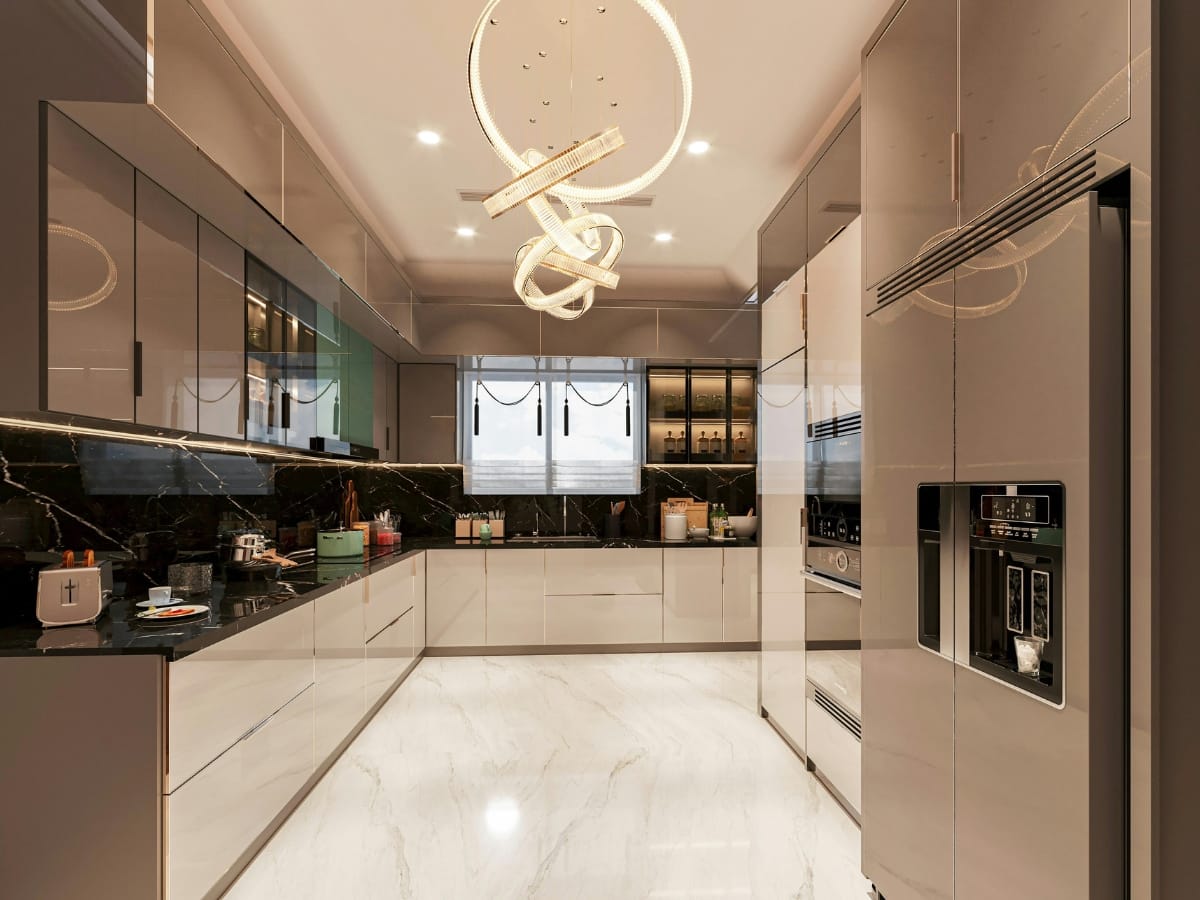
A transitional kitchen remodel is usually less about chasing a trend and more about building a space that feels current without looking dated in a few years. Transitional style blends clean lines and practical layouts with warmer, classic details, so the remodel process needs to prioritize both design decisions and the day-to-day function of the room. In Atlanta homes, that often means improving workflow, upgrading storage, and choosing finishes that feel balanced rather than overly modern or overly traditional.
Working with Bitwood Build typically starts with getting clear on what you want the kitchen to do better. That includes how you cook, how many people use the space at once, and what is not working in the current layout. A successful transitional kitchen plan also accounts for the home’s existing style so the remodel feels like it belongs, not like a showroom insert.
How Does Bitwood Build Ensure Quality Craftsmanship And Timely Delivery?
Quality craftsmanship is not only about the finished look. It is also about what you cannot see once the kitchen is done, like proper prep work, clean installs, and consistent attention to details that affect durability. A strong remodel team keeps the work organized, coordinates trades, and follows a clear plan, so you are not making rushed decisions in the middle of construction.
Bitwood Build also highlights professionalism through its connection to NARI, which signals a commitment to industry standards and best practices. In practical terms, that should translate to clear communication, realistic scheduling, and a jobsite that stays under control. Timely delivery usually comes down to planning and sequencing, making sure materials are selected early, and keeping decisions moving before they become delays. A transitional kitchen remodel has a lot of finishes that need to coordinate, so staying ahead on selections helps prevent last-minute substitutions that change the look.
What Steps Are Involved In The Atlanta Kitchen Renovation Process?
Most remodels follow a predictable structure, even though each kitchen is different. The first step is an initial consultation where the goals, budget range, and general scope are discussed. This is where you identify must-haves, nice-to-haves, and any constraints, such as keeping plumbing locations or working around an older home footprint. For a transitional kitchen, this is also the right time to talk through the style direction, including cabinet door profiles, hardware finishes, lighting approach, and how warm or cool you want the space to feel.
Next comes the design phase. This is where layout decisions are finalized and selections are dialed in so everything works together. A transitional kitchen often relies on subtle contrast, such as light cabinets with a slightly deeper island color, or a simple backsplash paired with a more expressive countertop. The goal is cohesion, so the design phase should include a full view of how cabinets, counters, flooring, and lighting will look as a set, not as separate choices.
After design is approved, the construction phase begins. Typically, that involves site protection, demolition, rough-ins for electrical and plumbing as needed, and then the build-back process with drywall, cabinetry, countertops, and finish work. A final walkthrough and punch list help catch small adjustments, which is especially important in a transitional kitchen where alignment, spacing, and finish consistency make a noticeable difference.
A well-run remodel process keeps you involved without overwhelming you. When the steps are clear, it is easier to make confident decisions and end up with a transitional kitchen that looks polished, functions better, and fits the home long-term.
Why Choose Bitwood Build For Your Atlanta Transitional Kitchen Renovation?
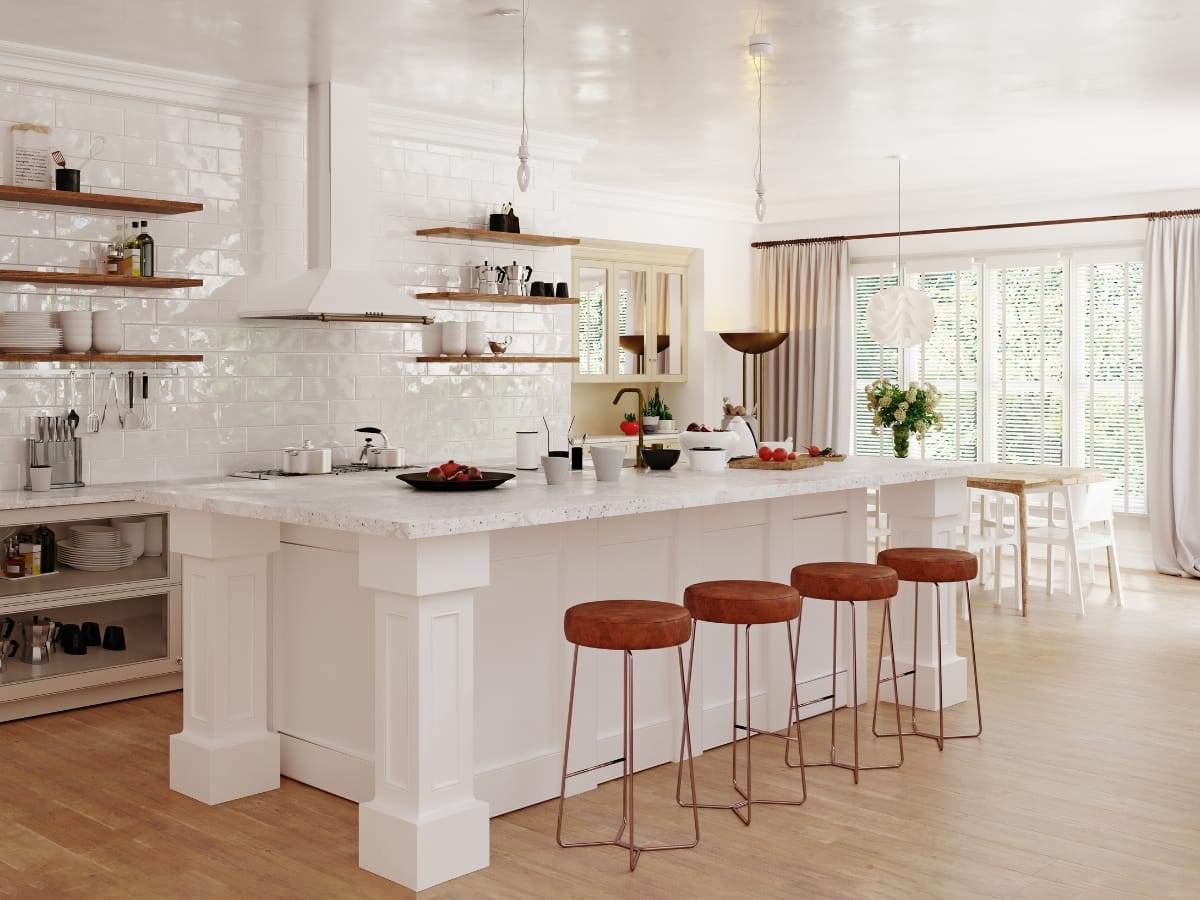
A transitional kitchen renovation is one of those projects where the contractor matters just as much as the design. Transitional style looks simple on paper, but it depends on clean installation, tight finish work, and choices that feel balanced, not bland. The goal is a kitchen that feels updated while still fitting the home, which is why many Atlanta homeowners prioritize a builder who can manage both the look and the logistics without turning the process into a long, stressful remodel.
Bitwood Build positions itself as a contractor that values craftsmanship and client experience, which is important in a transitional kitchen where the details do most of the work. Cabinet alignment, consistent reveals, trim transitions, and smooth coordination between trades all impact the final result. When those basics are handled well, the kitchen feels intentional and cohesive instead of pieced together.
How Does Bitwood Build’s NARI Certification Benefit Homeowners?
A NARI affiliation can be a meaningful signal for homeowners who want a professional process, not just a finished room. While it does not automatically guarantee outcomes, it suggests the contractor is invested in industry standards, continuing education, and ethical business practices. For homeowners, that often translates into clearer expectations and a more organized renovation experience.
In a transitional kitchen remodel, the planning phase tends to be where projects either stay smooth or get messy later. Working with a contractor who follows a consistent process can help keep timelines realistic and decisions organized. That includes confirming scope before work starts, aligning selections early so materials arrive on time, and coordinating inspections and trade schedules so work is not constantly stopping and restarting. When you are choosing finishes that need to work together, like cabinet style, hardware, lighting, and countertops, a structured process makes it easier to keep the design consistent without second-guessing every step.
What Do Atlanta Homeowners Say About Their Transitional Kitchen Remodel Experience?
Homeowners often judge a renovation by more than the final photos. They remember whether communication was steady, whether changes were explained clearly, and whether the project felt managed day to day. For a transitional kitchen, where many design choices are subtle, good communication helps keep everyone aligned on the details that matter, like the exact cabinet finish, the sheen level on paint, or the spacing of lighting over an island.
Many clients describe a positive remodel experience in terms of responsiveness and attention to detail. That usually shows up in practical ways, such as regular progress updates, quick answers when questions come up, and a jobsite that stays orderly. It also includes being transparent about what is happening next, what decisions are needed, and how changes could affect the schedule. When that communication is consistent, homeowners can focus on making good choices instead of trying to chase down information.
A transitional kitchen remodel can be one of the best upgrades for day-to-day living because it improves flow, storage, and the overall feel of the home. Choosing a contractor with a clear process, proven craftsmanship, and solid communication helps protect that investment and makes it more likely the finished kitchen will look polished, function well, and still feel right for the home years from now.
Conclusion
Transitional kitchen design offers Atlanta homeowners the perfect blend of timeless elegance and modern functionality, creating a welcoming space that feels both classic and current. By marrying clean lines with warm textures and mixing traditional elements with contemporary finishes, you can achieve a look that is uniquely yours and built to last. For expert guidance in bringing your transitional vision to life, trust the skilled kitchen remodeling craftsmen at Bitwood Build. Call (404) 445-5424 or request a free quote through our site form today to begin designing the heart of your home. Let’s build a kitchen that balances beauty and purpose for years to come.